How a public art commission runs, stage by stage
A public art commission is an agreement to make a work that does not yet exist, for a named place, to a written brief, and in the UK it runs through nine stages over roughly eighteen months, from the decision to commission to the day the finished work is handed over. Each stage produces one document or one approval that the next stage depends on, which is why the sequence is difficult to shortcut and why skipping a stage reappears later as cost.
The nine stages, in order
The nine stages of a public art commission each settle one thing and then hand it on. A commissioner who can name what a stage is for can tell when it is finished, which is the most useful piece of project control on the whole job. The durations are working ranges for a permanent outdoor work in the UK, and they assume nothing goes badly wrong.
| Stage | What it settles | Typical duration |
|---|---|---|
| 1. Decision, funding and governance | That there is a commission at all, with a source of money and a named decision-maker | 4 to 12 weeks |
| 2. Brief and budget | The place, the money, the constraints and the criteria the work will be judged against | 6 to 10 weeks |
| 3. Selection | Which artist is appointed, and on what recorded grounds | 10 to 16 weeks |
| 4. Concept design and proposal | What the work will be, drawn and costed, and whether it is buildable | 6 to 12 weeks |
| 5. Contract | Who owns what, who is liable for what, and when money moves | 3 to 6 weeks |
| 6. Detailed design, engineering and consents | That the work will stand up, and that it is lawful to put it there | 8 to 16 weeks |
| 7. Fabrication | The object itself, made and inspected | 12 to 30 weeks |
| 8. Site preparation and installation | Foundations, services, access, and the work in place | 1 to 4 weeks |
| 9. Handover, evaluation and defects period | Who maintains it, on what schedule, and whether the commission did what it said | 12 months after handover |
Add the midpoints of stages 1 to 8 and the total is 78 weeks, which is eighteen months. That arithmetic is the reason eighteen months keeps recurring in UK commissioning programmes; it is not a convention, it is what the stages add up to.
Before the brief: deciding to commission, and finding the money
Deciding to commission comes before any artist is contacted, and it is the stage most often treated as though it has already happened. Three things have to exist at the end of it: funds that are committed rather than hoped for, a named person or committee with authority to approve the design, and a landowner who has agreed in writing that a work can be placed on their land and left there.
In UK practice the money arrives by one of five routes: a planning obligation under Section 106 in England and Wales or Section 75 in Scotland, a percent-for-art allocation from a capital build budget, an arts council award from Arts Council England, Creative Scotland, Arts Council of Wales or Arts Council of Northern Ireland, a charitable trust or foundation grant, or an institution's own capital funds. None of these is a statutory requirement to commission art. Percent for art is a policy convention in the UK, commonly set at around one per cent of capital build cost in a local plan, and it binds only where a planning authority has adopted it and written it into an obligation.
Governance is separate from the money and gets skipped more often. A commission with three funders and no single approver produces a design review in which nobody can say yes.
The brief and the budget: the two documents everything is judged against
The brief and the budget are written together, because each one falsifies the other. A brief that asks for a landmark and a budget that will buy a bench are not two problems, they are one, and the artists reading the opportunity will see it immediately. Writing the brief is the cheapest place in the whole process to change your mind, because it is the last point with no sunk cost.
The budget behind the brief has to cover more than the object: artist fee, materials and fabrication, engineering and surveys, site works and installation, project management, documentation, and a contingency. Commissioners who have run one job before argue hardest for the contingency line.
Selection, proposal and contract: three separate gates
Selection, proposal and contract are three gates and not one, and collapsing them is a recognisable failure. Selection appoints an artist, by open call, limited competition, direct appointment or a standing roster, and its output is a recorded decision against published criteria. The proposal stage is paid design work: shortlisted artists get a fee to develop a concept, a drawing or model, an outline specification and a cost. Asking for that unpaid transfers the commissioner's risk onto the people least able to carry it.
The contract then converts an approved concept into obligations: payment against milestones, ownership of the physical work, the copyright position under the Copyright, Designs and Patents Act 1988, which vests copyright in the artist unless it is assigned in writing, the insurance each party carries, the approval procedure for design changes, and what happens if either side walks away. A commission that reaches fabrication without a signed agreement is a commission with no remedy.
Design development, consents and fabrication
Design development turns a concept into something buildable, and it is where a public art commission stops resembling studio practice and starts resembling construction. A permanent outdoor work needs a structural engineer, a ground investigation or at minimum a services search, a loading calculation if it is tall, and a materials specification naming finishes and fixings. Under the Construction (Design and Management) Regulations 2015 the people designing and installing the work carry duties, and the artist may be a designer for those purposes whether or not anyone has told them.
Consents run alongside. Most permanent freestanding works need planning permission, and listed building consent, scheduled monument consent, highways consent or a licence from the landowner may apply on top. The statutory determination period for a minor planning application in England is eight weeks and thirteen weeks for a major one; in Scotland the equivalent periods are two months and four months. Those clocks start when the application is validated, not when it is posted.
Fabrication is then a manufacturing job with a lead time, and lead times are the part of the programme a commissioner controls least. Bronze casting, architectural glass, cast concrete and specialist stone all queue behind other clients' work. Fabrication is also where the risk allocation written into the contract becomes real: whoever holds the fabrication contract holds the failure.
Installation, handover and the obligation that outlasts everyone
Installation is the shortest stage and the most exposed. It needs a method statement, a lifting plan if anything is craned, traffic management if it touches a highway, and a window in which the site is actually available. Handover is a document, not a ribbon: the handover pack contains the as-built drawings, the materials and finishes specification, the maintenance schedule, the warranties, the engineer's sign-off, and the agreed credit line for the artist.
After handover the commission becomes a maintenance liability with no end date, held by whoever the contract says holds it, usually the landowner. A twelve month defects period is normal, after which the work sits on the owner's asset register and its cleaning, repair, insurance and eventual removal are somebody's budget line every year. Evaluation belongs here too, and it is worth doing modestly: counting what can be counted, recording what was learned, and resisting the claim that a single work regenerated an area.
Where commissions actually go wrong
Four failures account for most of the trouble: a brief written after the artist was chosen, a budget with no contingency, an approval route with more than one final approver, and no named maintenance holder. None is an artistic problem, and none is discovered at the stage that caused it. Each surfaces one or two stages downstream, when it is expensive.
Where to start
 1. COMMISSIONING ART MEANINGWhat a public art commission is, and how it differs from buying artA public art commission is an agreement to make a work that does not exist when the money is agreed.
 2. ART COMMISSION GUIDELINESSelecting an artist: open call, limited competition, direct appointment, rosterSelecting an artist for a public art commission is done by one of four methods: an open call, a limited or invited competition, a direct appointment.
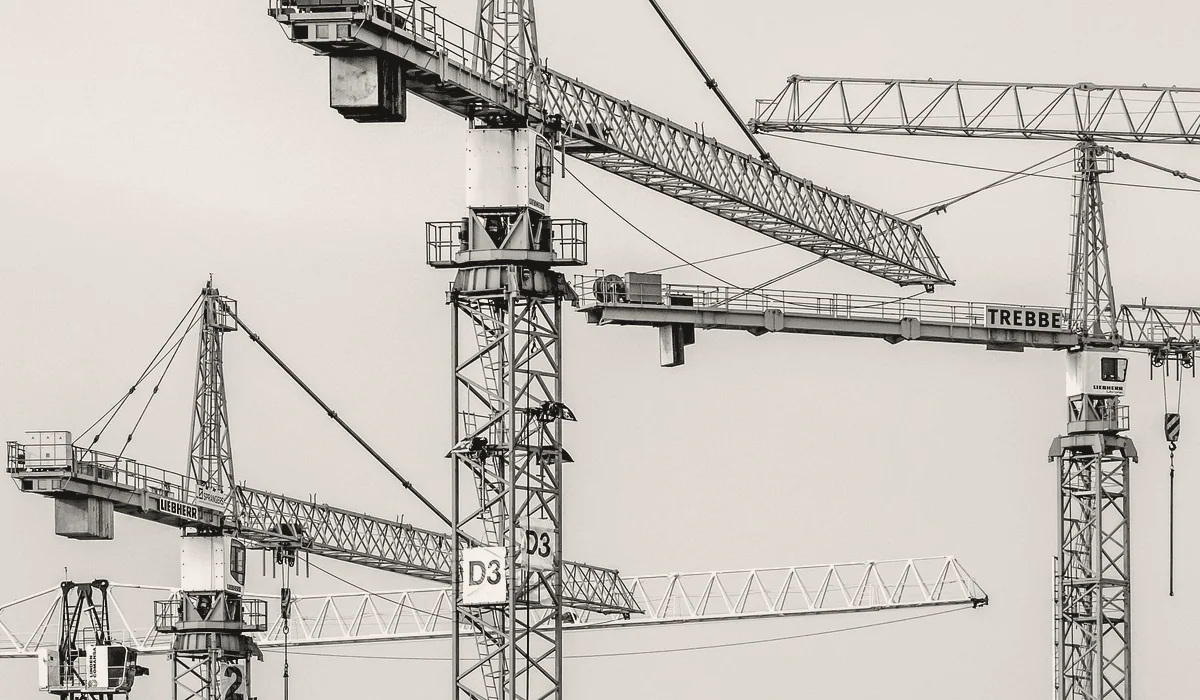 3. PUBLIC ART INSTALLATIONSInstallation and handover: the day the work stops being a drawingPublic art installations are construction projects, and treating installation day as an art event is the commonest way a commission goes wrong.
Commissioning, part 1 of 2
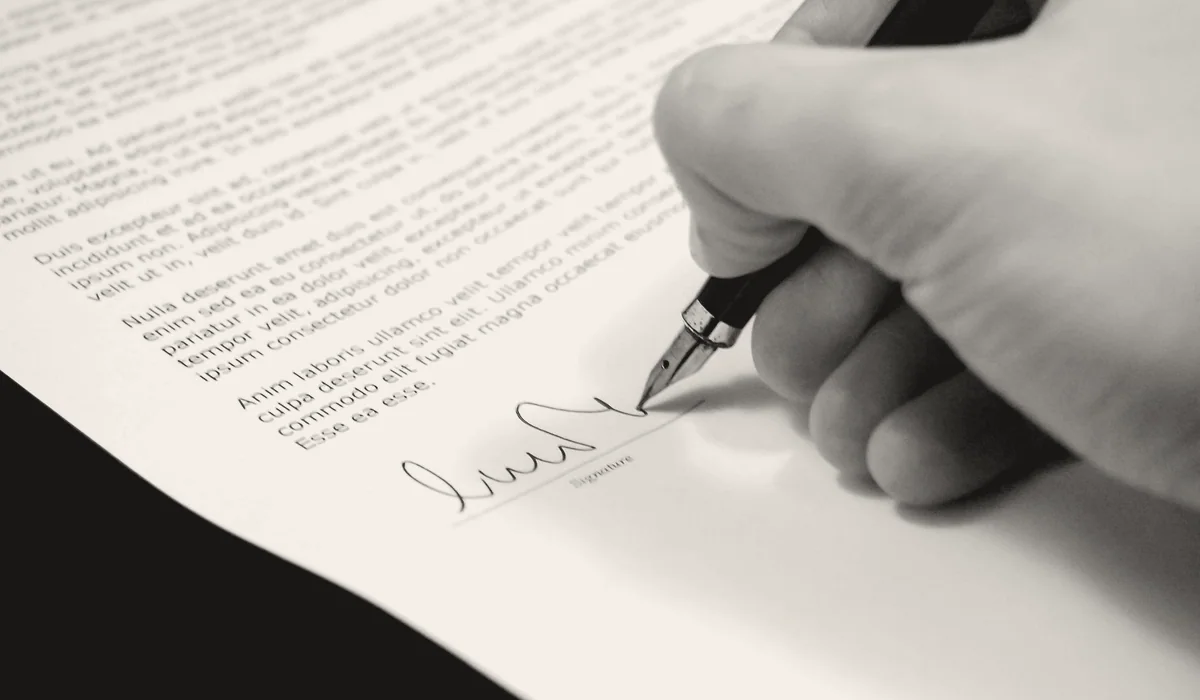 ART COMMISSION AGREEMENTThe commission contract: what every clause is actually forA public art commission agreement is the written contract for a work that does not yet exist, and twelve clauses carry almost all of its weight.
 BRONZE SCULPTUREFabrication: who makes the work, and who carries the risk if it failsFabrication of a commissioned public artwork happens under one of two contracting routes, and the choice decides who pays if the work fails.
 PUBLIC ART COMMISSIONSWho commissions public art in the UK, and why they have toPublic art in the UK is commissioned by eight kinds of body: local authorities, private developers acting under a planning obligation, NHS boards.
 COMMISSIONING, PART 1 OF 2How long does a public art commission take? Eighteen months is normalA public art commission takes eighteen months from the decision to commission to the handover of the finished work.
 SECTION 106 REQUIREMENTSDoes public art need planning permission? Usually yes, and here is whenPublic art needs planning permission in most cases, and the reason is mechanical rather than aesthetic.
 HOW MUCH DO SCULPTURESWhat a public art commission costs, and what the budget has to coverA commissioned outdoor sculpture in the UK usually costs £8,000 to £150,000 all in.
 PUBLIC ART PROJECTThe proposal: what the panel is actually readingAn artist's proposal for a public art commission is the document between the brief and the contract.
 ARTIST BRIEF EXAMPLESWriting the brief: the document the whole commission is judged againstAn artist brief for a public art commission is the document that states the place, the money, the timetable, the constraints and the criteria.
Commissioning, part 2 of 2
 COMMISSIONING, PART 2 OF 2Evaluating a commission: measuring the value of public art honestlyPublic art benefits split into two lists usually printed as one. Evaluating a commission means keeping them apart.
 COMMISSION ARTWho owns the work: copyright, moral rights and the right to photograph itCopyright in a commissioned artwork stays with the artist, not with whoever paid for it, unless it is assigned in writing and signed.
 PUBLIC ART CONSERVATIONWho looks after it: maintenance, conservation, and what happens when it comes downPublic art conservation is an obligation with a hundred year horizon funded on a three year budget cycle.