Public art: what it is, and why anyone pays for it
Public art is artwork placed where people can reach it without paying an entrance fee or holding an invitation, put there by agreement with whoever controls the site, and meant to stay for a stated period. That is a duller sentence than the phrase usually attracts, and it is the useful one, because each of its three parts turns into a document somebody has to sign: a site agreement with the landowner, a commission contract with the artist, and a maintenance arrangement with whoever inherits the object once the ribbon has been cut and the project team has moved on.
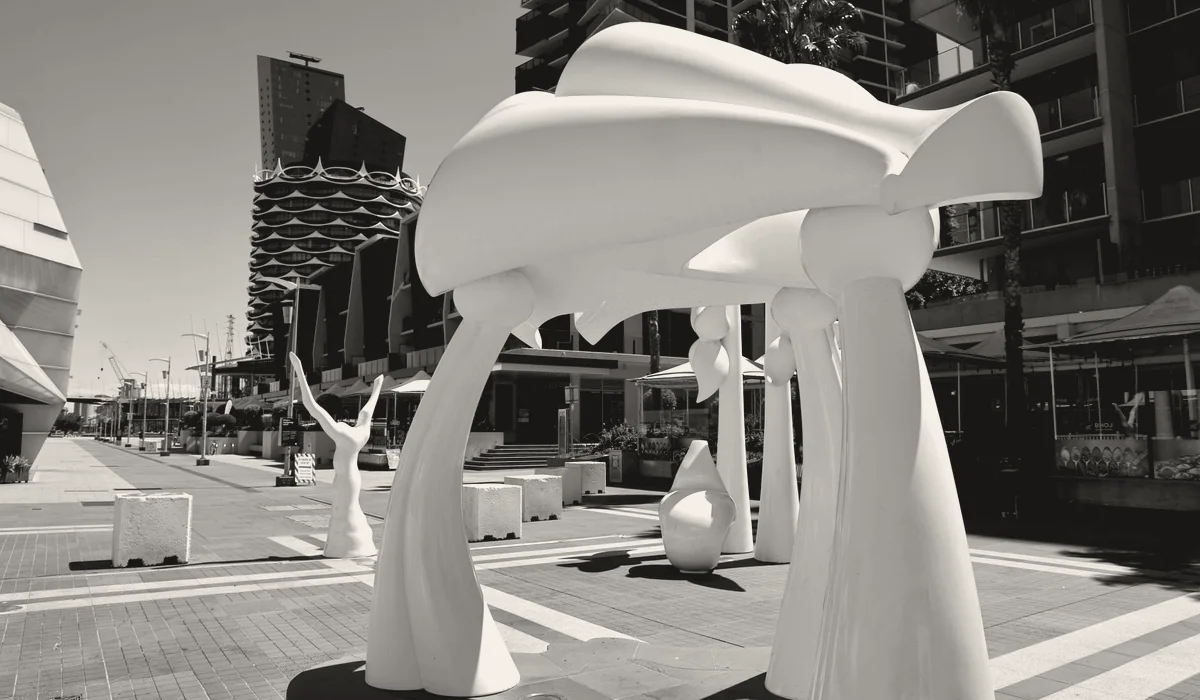
The phrase covers a very wide range of things. A cast bronze figure outside a civic building, a pattern sandblasted into the paving of a new station forecourt, a set of railings drawn by an artist rather than an ironmonger, a projection running for four winter evenings, a year of workshops that ends in a fired ceramic frieze on a school wall: all of those are commissioned as public art in the UK, and all of them are bought through broadly the same process.
What counts as a public place
A public place, for commissioning purposes, is somewhere a member of the public can arrive without a ticket, a membership, an appointment or a reason to be there. That is a test about access, not about ownership. Plenty of publicly accessible space in the UK is privately owned: a shopping street under a single landlord, a station concourse, a hospital forecourt, the ground floor of an office development that the planning consent requires to stay open in daylight hours. Art commissioned into those places behaves like public art in every way that matters, including the awkward ways, because the audience did not choose to be an audience.
The reverse case matters too. A work inside a gallery is not public art, however free the gallery is, because a gallery is a room the visitor entered on purpose. The distinction is not about quality or ambition. It is about consent to be shown something. That single fact explains most of what is strange about the commissioning process: the long consultation, the planning application, the wind loading calculation, the argument about who cleans it. The awkward middle cases, a work in a private atrium the public can walk into, a festival piece with a six week life, a war memorial, a mural on private property facing the street, are each worked through against the definition rather than waved through.
The forms public art takes
Eleven forms account for most of what gets commissioned in the UK, and they differ far more in process than they look in photographs.
- Freestanding sculpture, the form most people picture, and the one with the heaviest engineering and consent burden.
- Architecturally integrated work, made into the fabric of a building: a facade treatment, a screen, a cast wall, a glazed panel.
- Murals and painted work, the cheapest to commission and the shortest lived.
- Light works, which bring a power supply, a lighting assessment and an electricity bill somebody has to keep paying.
- Sound works, which raise noise questions the planning system takes seriously.
- Water features, which are cheap to install relative to what they cost to run for twenty years.
- Landscape and land art, which needs land, ecology advice and drainage rather than foundations.
- Functional work: seating, gates, paving, railings, bollards, bridge parapets, all of which must also pass as street furniture.
- Temporary and event work, from a weekend to a year, judged on a different consent route.
- Socially engaged and participatory work, where the process is the commission and the object, if any, is the residue.
- Digital and screen based work, which the planning system treats with unusual suspicion.
Choosing the form early is not an aesthetic decision, it is a budget and programme decision. A brief that says "landmark" and a budget that says twelve thousand pounds have already chosen a mural, whatever the panel would prefer.
Why anyone pays for it
Five reasons put money on the table, and they rarely appear alone.
- A planning obligation. Most permanent public art in the UK is paid for by a developer under an agreement made when consent was granted: Section 106 of the Town and Country Planning Act 1990 in England and Wales, Section 75 of the Town and Country Planning (Scotland) Act 1997 in Scotland. The money is committed before an artist has been thought of.
- A percent for art policy. Some local authorities ask that a share of a scheme's capital cost, commonly quoted between half a per cent and one per cent, is spent on art. It is policy, not statute, and it is negotiable in a way people often assume it is not.
- A capital project's own budget. A new hospital wing, school, library or transport interchange may carry an art allocation inside the construction budget, which makes the artist a late arrival on somebody else's programme.
- Public arts funding. Arts Council England, Creative Scotland, the Arts Council of Wales and the Arts Council of Northern Ireland fund projects rather than street furniture, so their money tends to attach to the temporary, the participatory and the experimental rather than to a permanent object a landowner will keep.
- Trusts, foundations and fundraising. Memorials, anniversaries and community led schemes are often funded this way, which means the commissioner is a volunteer committee with no procurement department and a personal stake in the outcome.
What commissioning one involves
Commissioning public art means buying something that does not exist yet, from someone chosen partly on the strength of work they have not made. That is what separates it from buying a finished piece, and it is why the process has so many stages: a brief, a budget, a selection process, a proposal, a contract, technical design, consents, fabrication, installation, handover, and a maintenance regime that outlives everybody who signed. Eighteen months from brief to handover is normal for a permanent work of any size, and briefs that assume six months usually discover the planning stage the hard way.
The single most common failure is not artistic. It is that the budget was set by someone who had never priced fabrication, foundations, insurance, crane hire and traffic management, and the shortfall is found after an artist has been appointed and a design published. The second most common is that nobody agreed, in writing, who pays to clean and repair the work in year seven.
What public art is not
Public art is not decoration bought off a catalogue, though it is sometimes procured as though it were. It is not street art or graffiti, which differ from it on the single axis of permission, and which sit in a completely different position for liability and ownership. It is not a gallery exhibition moved outdoors: an outdoor audience did not read the wall text and did not agree to attend. And it is not a substitute for a functioning public space. A well made sculpture in a place with no seating, no shelter and no reason to linger is a well made sculpture in a place nobody stops.
Where to start
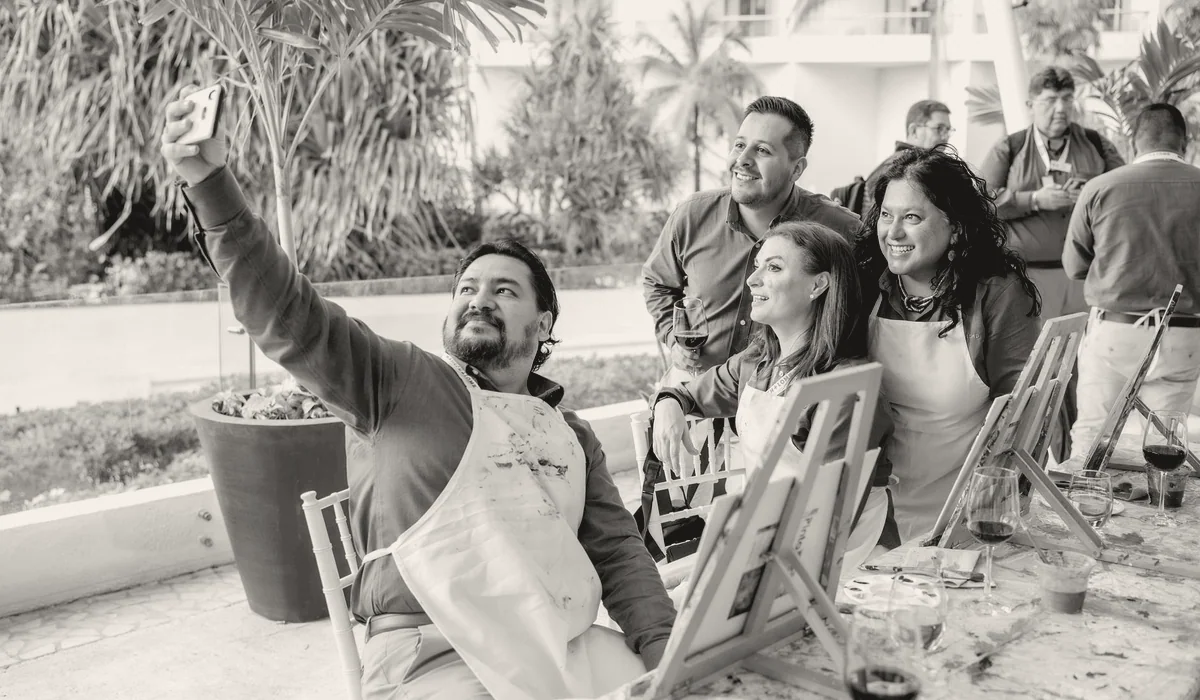 1. START HERECommunity art projects: consultation, co-design, and the difference between themCommunity art projects are commissions in which the people who live with the work take part in making or shaping it.
 2. START HEREWhat is public art? A definition that survives contact with a real commissionPublic art is art that passes three tests at once: it is sited where the public can reach it without paying or being invited.
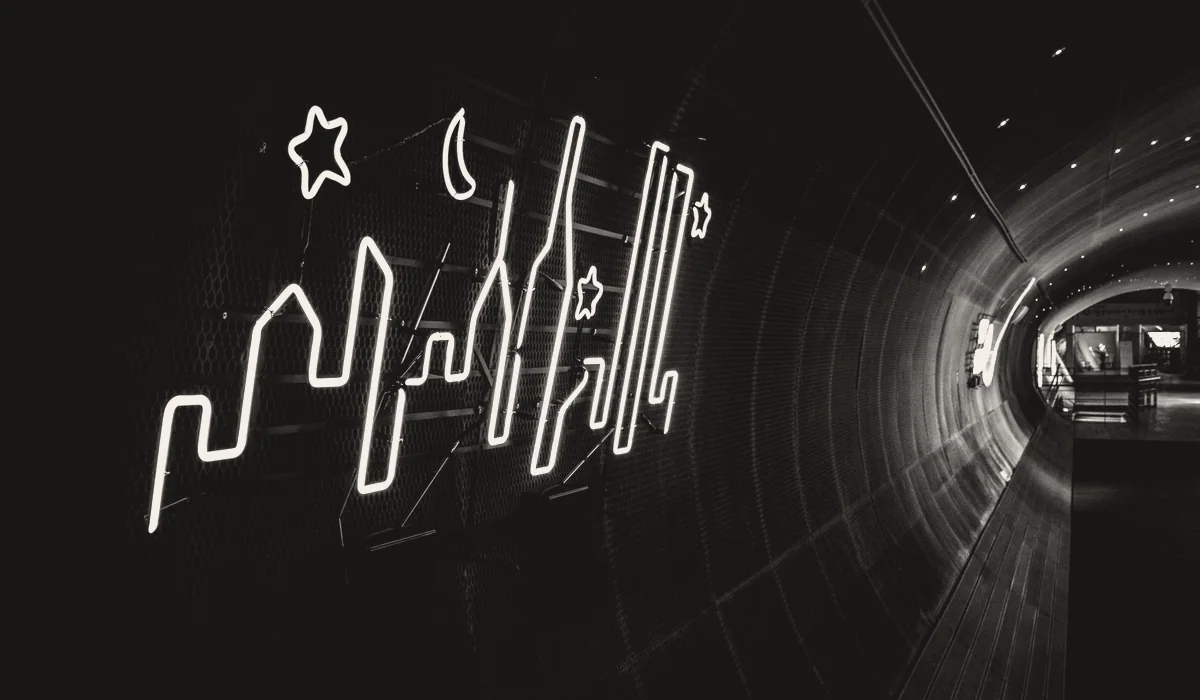 3. START HERETypes of public art: what actually gets commissionedPublic art installations are sorted here into eleven types, this site's own arrangement rather than an official taxonomy, since no UK body publishes one.
All pages in Public art
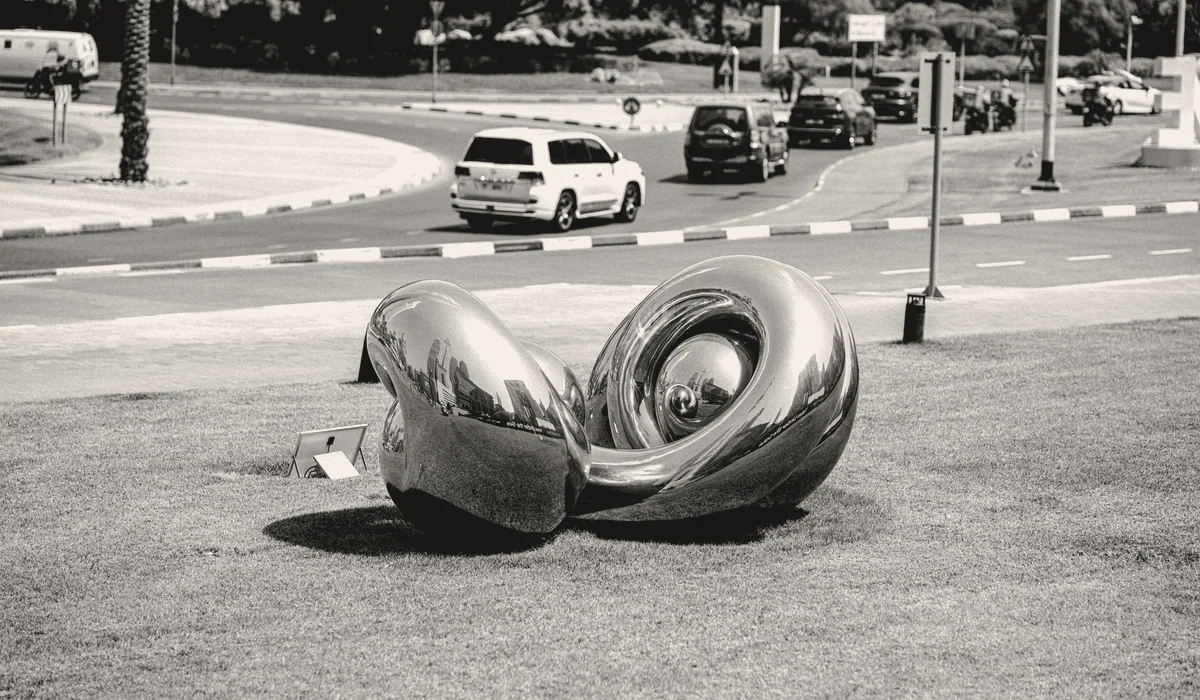 ALL PAGES IN PUBLIC ARTPublic art examples: what a finished UK commission actually looks likePublic art examples are most useful read backwards, as evidence of a decision somebody made in a meeting rather than as a gallery of favourites.
 SCULPTURE COMMISSIONCommissioning sculpture: what makes it the most expensive thing to get wrongCommissioned public sculpture in the UK costs between £8,000 and £150,000 for the great majority of works.
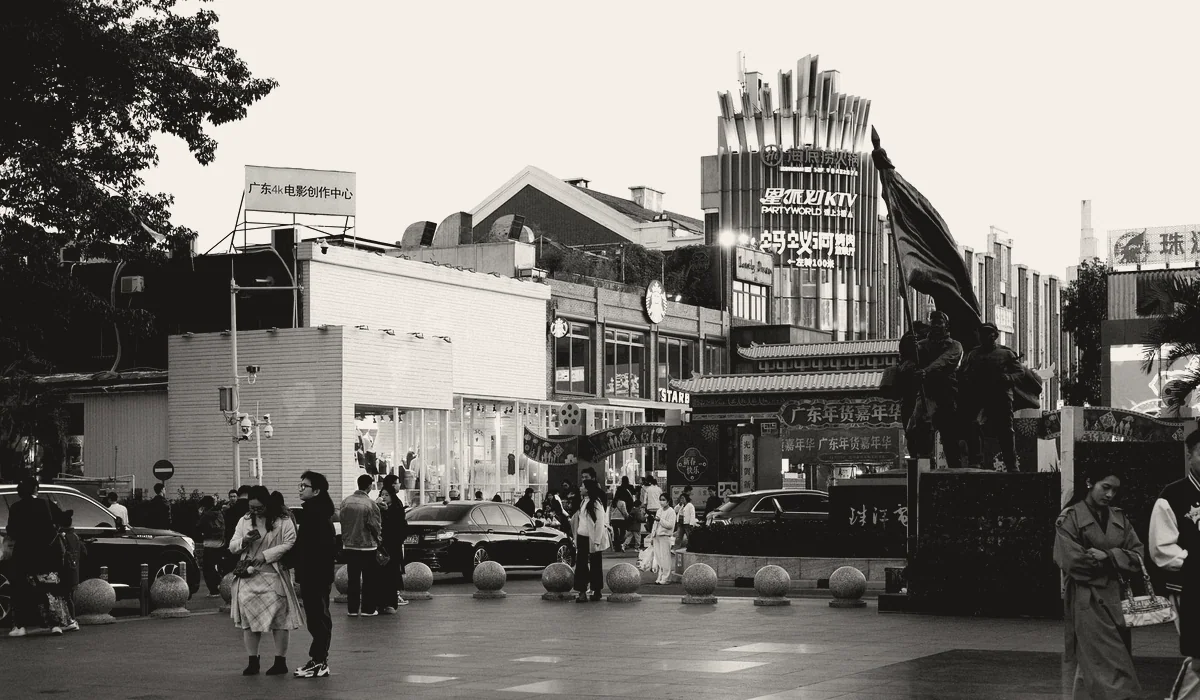 ALL PAGES IN PUBLIC ARTWhy is public art important? The case, and the objections worth taking seriouslyPublic art is important for five reasons a commissioner can actually defend in a committee room: it gives a place a recognisable identity.
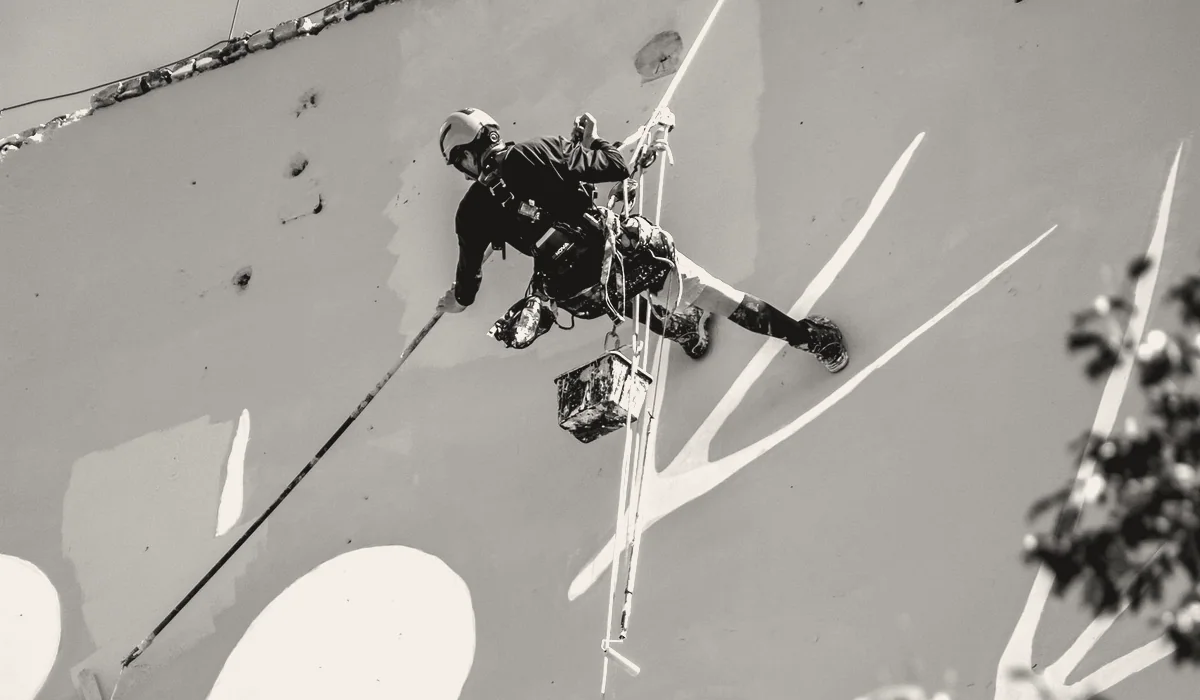 COMMISSION A MURALCommissioning a mural: what it costs, who has to agree, how long it lastsCommissioning a mural in the UK costs £2,000 to £20,000 for the usual case, a painted exterior wall of 20 to 100 square metres.
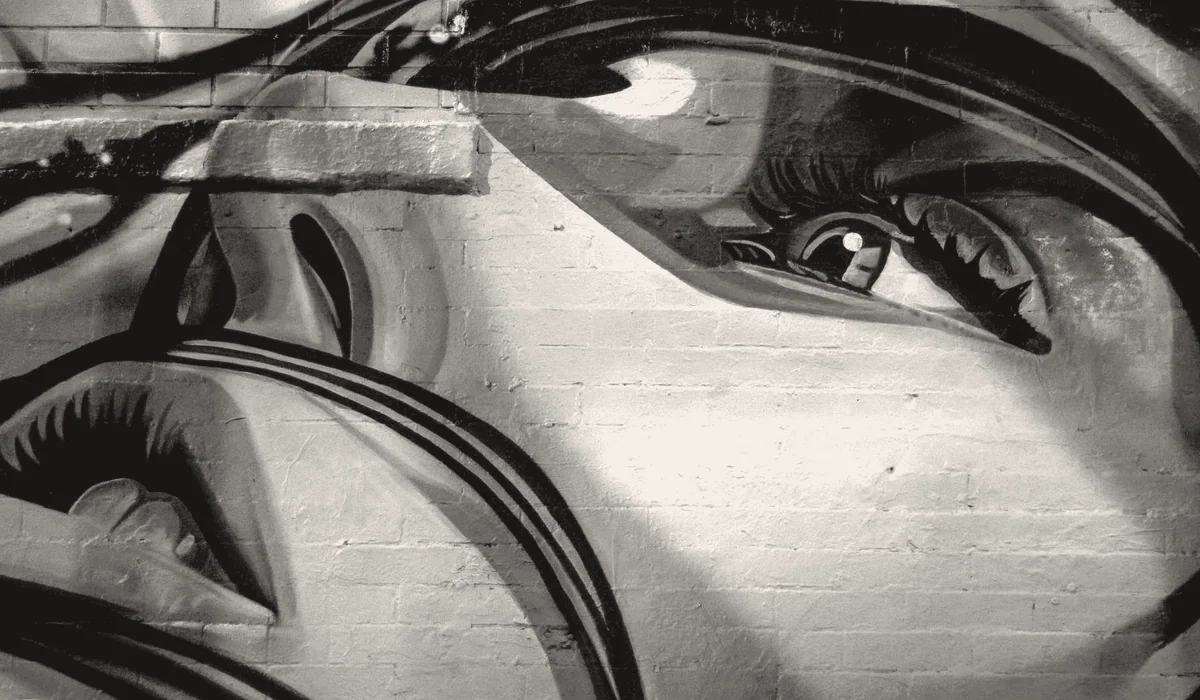 ALL PAGES IN PUBLIC ARTPublic art, street art and graffiti: the difference is permissionPublic art relates to graffiti through exactly one variable: permission.
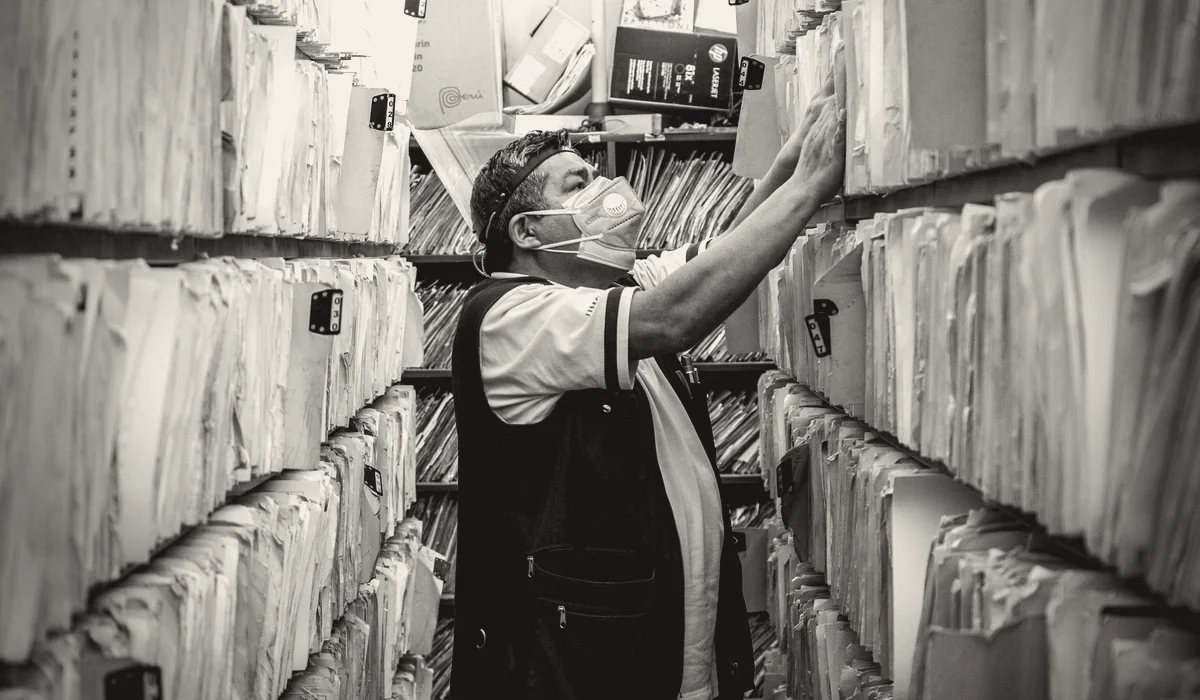 ALL PAGES IN PUBLIC ARTPublic art policy and strategy: the documents that decide what gets commissionedA public art policy is a short adopted document, rarely more than a dozen pages, in which a local authority states when it will seek public art.