George Middleton · on 28 July 2026 · 8 min read · Last reviewed 28 July 2026
Photos to edit for visual arts projects are unprocessed or lightly processed images that offer creative potential for enhancement, correction, and stylisation using digital post-processing tools. These raw materials let artists refine their vision through selective editing.
Whether you're working with photos to edit or raw portraits, the key is understanding which images offer the most potential for transformation. The best photos to edit often have balanced exposure, clear subjects, and interesting compositions that can be further developed.
- The average resolution of digital camera sensors in 2023 is around 24 megapixels, providing ample detail for most visual arts projects.
- According to Adobe, over 90% of professional photographers use some form of post-processing in their workflow.
- Raw portrait photos to edit typically require adjustments to white balance, exposure, and contrast to bring out the best in the subject.
- Free photos for editing practice are widely available on platforms like Unsplash and Pexels, offering a cost-effective way to hone your skills.
What are the best photos to edit for visual arts projects?
The best photos to edit for visual arts projects are those with strong foundational elements that can be enhanced through post-processing. These often include portraits with expressive subjects, landscapes with dynamic lighting, and still life compositions with interesting textures.
For example, a raw portrait photo to edit might feature a subject with striking eyes that can be sharpened and highlighted. The first time I really looked at the potential in such images, I realised how much post-processing could transform an ordinary shot into something extraordinary. Look for images with minimal noise and good dynamic range, as these will yield the best results when editing.
Landscapes with dramatic skies or interesting cloud formations are also excellent candidates. These elements can be enhanced using tools like gradient filters and selective colour adjustments. Still life photographs with intricate details, such as textiles or metallic objects, offer opportunities for fine-tuning contrast and clarity.
Where can you find photos to edit online free?
Photos to edit online free can be found on various platforms that offer high-quality, royalty-free images. Websites like Unsplash, Pexels, and Pixabay provide a vast array of images that are perfect for practising post-processing techniques.
These platforms are particularly useful for beginners who are looking for free photos for editing practice. For instance, Unsplash offers a curated collection of images that are free to use for both personal and commercial projects. Pexels, similarly, provides a diverse range of photographs that can be downloaded and edited without any restrictions.
Another excellent resource is the Adobe Stock library, which offers a mix of free and premium images. While some images require a subscription, there are plenty of free options available that are suitable for various visual arts projects. These platforms ensure that you have access to a wide range of images, from portraits to landscapes, that can be used to develop your editing skills.
What tools are essential for editing photos for visual arts projects?
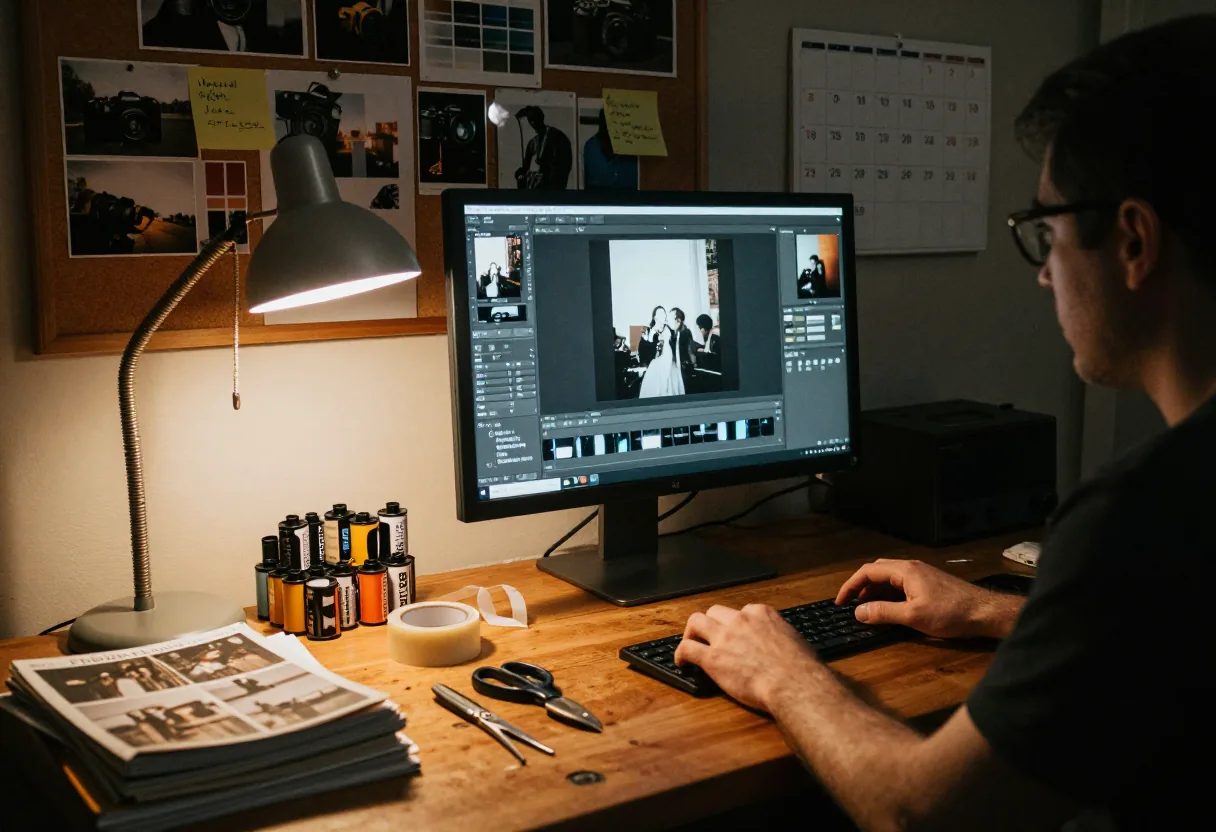
The essential tools for editing photos for visual arts projects include software like Adobe Photoshop, Lightroom, and GIMP. These tools offer a range of features that allow for precise adjustments and creative enhancements.
Adobe Photoshop is widely regarded as the industry standard for photo editing. It offers advanced features such as layer masks, adjustment layers, and a wide range of filters and effects. Lightroom, on the other hand, is ideal for batch processing and managing large collections of images. It provides powerful tools for colour correction, exposure adjustment, and tonal control.
For those seeking a free alternative, GIMP (GNU Image Manipulation Program) is a strong open-source choice. It provides many of the same features as Photoshop, such as layer support, various selection tools, and a range of plugins for additional functionality. Each of these tools can be used to create different effects, depending on the specific needs of your visual arts project.
What are the steps to edit photos for visual arts projects?
To edit photos for visual arts projects, start by importing your images into your chosen editing software and making initial adjustments to exposure, white balance, and contrast. Then, move on to more detailed enhancements like sharpening, noise reduction, and selective colour adjustments.
Begin by opening your image in the editing software. For example, in Adobe Photoshop, start by creating a duplicate layer to preserve the original image. Use the "Adjustments" panel to make basic corrections to exposure, contrast, and white balance. These initial adjustments will set the foundation for further enhancements.
Next, focus on sharpening and noise reduction. Use tools like the "Unsharp Mask" filter in Photoshop to enhance the details in your image. For noise reduction, consider using the "Reduce Noise" filter, which can help smooth out graininess in low-light photographs. Additionally, use selective adjustments to enhance specific areas of the image, such as the eyes in a portrait or the sky in a landscape.
Finally, apply any creative effects or filters to achieve the desired artistic style. Experiment with different blending modes, gradients, and textures to add depth and interest to your image. Save your edits in a non-destructive format, such as a PSD file, to allow for future adjustments.
| Tool | Key Features | Best For |
|---|---|---|
| Adobe Photoshop | Layer masks, adjustment layers, advanced filters | Detailed retouching and creative effects |
| Adobe Lightroom | Batch processing, colour correction, tonal control | Managing and enhancing large collections of images |
| GIMP | Open-source, layer support, various plugins | Free alternative for basic to advanced editing |
What are some common mistakes to avoid when editing photos for visual arts projects?
Common mistakes to avoid when editing photos for visual arts projects include over-sharpening, excessive noise reduction, and ignoring the natural colours of the scene. These errors can detract from the overall quality of the image and make it look unnatural.
Over-sharpening can result in a "halo" effect around edges, making the image look artificial. To avoid this, use sharpening tools sparingly and focus on the areas that need the most enhancement. Excessive noise reduction can also lead to a loss of detail, making the image appear smooth but lifeless. Balance noise reduction with the preservation of texture and detail.
Ignoring the natural colours of the scene can result in an image that looks unnatural and overly processed. Always aim to maintain the original colour palette while enhancing the overall tone. For more details on common mistakes, refer to photos to edit common mistakes.
How can you use photos to edit online free for creative projects?
Using tools online for free photo edits allows creative projects to experiment with various post-processing techniques and styles. These images provide a great opportunity to practise and refine your editing skills without the pressure of working with original photographs.
Start by selecting images that inspire you and experimenting with various editing techniques. For example, try converting a colour image to black and white to emphasise contrast and texture. Use adjustment layers to play with different colour grades and see how they affect the mood of the image. Additionally, explore the use of textures and overlays to add depth and interest to your photographs.
Consider participating in online challenges or communities where you can share your edited images and receive feedback from other photographers. Websites like Flickr and DeviantArt offer platforms for sharing your work and connecting with other artists. These communities can provide valuable insights and inspiration for your creative projects.
What are some advanced techniques for editing photos for visual arts projects?
Advanced techniques for editing photos for visual arts projects include compositing, frequency separation, and dodging and burning. These methods allow for precise control over the final image and can help achieve a professional look.
Compositing involves combining multiple images to create a single, cohesive scene. This technique can be used to add elements to a photograph, such as changing the background or adding props. Frequency separation is a method used to separate the texture and colour information in an image, allowing for more precise retouching. This technique is particularly useful for skin retouching in portraits.
Dodging and burning is a traditional darkroom method that can be mimicked in digital editing programs. It entails selectively brightening (dodging) and shadowing (burning) parts of an image to boost contrast and dimension. These expert methods demand practice and patience but can greatly improve the quality of your visual arts endeavors.
| Technique | Description | Best For |
|---|---|---|
| Compositing | Combining multiple images into one scene | Adding elements or changing backgrounds |
| Frequency Separation | Separating texture and colour information | Precise skin retouching in portraits |
| Dodging and Burning | Selectively lightening and darkening areas | Enhancing contrast and depth |
What are some free resources for learning how to edit photos for visual arts projects?
Free resources for learning how to edit photos for visual arts projects include online tutorials, YouTube channels, and community forums. These resources offer a wealth of information and techniques that can help you improve your editing skills.
YouTube channels like Phlearn and Pixel Peeper offer a wide range of tutorials on various editing techniques. These channels provide step-by-step guides on using software like Photoshop and Lightroom, as well as tips for achieving specific effects. Additionally, websites like Coursera and Udemy offer free courses on photo editing, covering everything from basic adjustments to advanced retouching.
Community forums like Reddit's r/photoshop and r/postprocessing are excellent places to ask questions and share your work. These forums are filled with experienced photographers and editors who are willing to share their knowledge and provide feedback. Engaging with these communities can help you stay updated on the latest trends and techniques in photo editing.
Structured learning benefits from a step-by-step guide like photos to edit step by step. This resource offers a detailed look at the editing process, from basic adjustments to advanced techniques, helping you build a solid foundation in photo editing.
To get started, experiment with different techniques and styles, and don't be afraid to make mistakes. The key to improving your editing skills is practice and a willingness to learn from others. By utilising these free resources and engaging with the photography community, you can develop the skills needed to create stunning visual arts projects.
Frequently asked questions
What is a visual arts project?
A visual arts project is any creative endeavor that involves producing artwork for visual consumption. This includes painting, sculpture, photography, and digital art. Projects can range from personal expression to commissioned work, often displayed in galleries, exhibitions, or public spaces.
What are some good art projects?
Good art projects include creating a series of abstract paintings, designing a community mural, developing a photography exhibition, crafting handmade jewelry, or building a sculpture garden. These projects can be personal, collaborative, or community-driven, depending on the goal.
What are five examples of visual art?
Five examples of visual art are photography, painting, drawing, sculpture, and digital art. These forms allow artists to express ideas, emotions, and stories through various mediums and techniques.
What is a fun art project for a 10 year old?
A fun art project for a 10-year-old could be making tie-dye shirts, creating a DIY dream catcher, painting rocks to decorate the garden, designing a comic book, or crafting friendship bracelets. These projects are engaging and encourage creativity.