Paying for public art: where the money actually comes from
Money for public art in the UK comes from six sources, and arts council grant funding is neither the largest of them nor the one that pays for most permanent work. The six are planning obligations attached to development, the capital budget of the commissioning body, the public arts funders, charitable trusts and foundations, developers and sponsors giving outside any obligation, and community fundraising. The first two pay for most permanent public art in Britain. Arts Council England, Creative Scotland, the Arts Council of Wales and the Arts Council of Northern Ireland matter enormously for temporary work, participation and artist development, and comparatively little for objects in the ground.
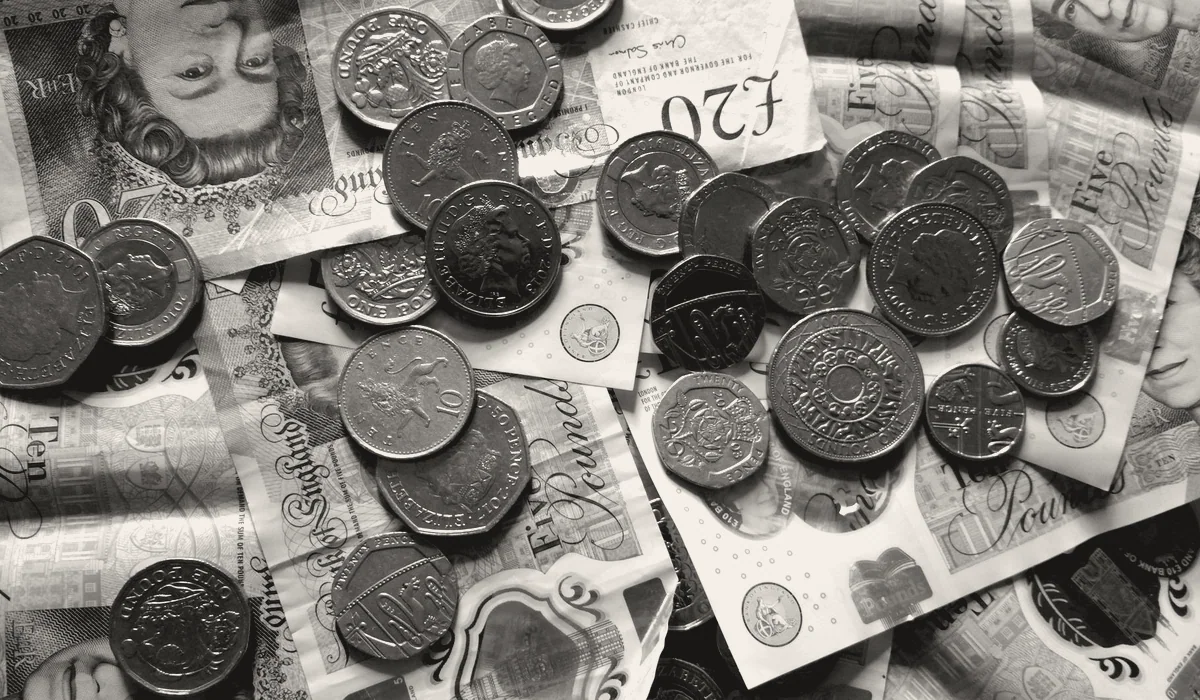
That ordering is the most useful thing a first-time commissioner can absorb, because it redirects the first phone call. A school, trust or developer starting with a grant application has usually skipped the two sources most likely to fund them.
The six sources, and what each one wants back
Each source has its own price, and the price is rarely just reporting. It is what the money constrains.
| Source | What it typically pays for | What it wants in return | Lead time |
|---|---|---|---|
| Planning obligation, Section 106 or Section 75 | Permanent work tied to a development site | Delivery to the agreement's wording and deadline | 1 to 5 years from permission |
| Capital budget of the client body | Work integrated into a building or public realm scheme | Delivery to the construction programme | Set by the build programme |
| Public arts funders | Temporary work, participation, development, artist fees | Public benefit, evaluation, credit, fixed dates | 3 to 9 months |
| Charitable trusts and foundations | Projects matching a charitable purpose or place | Beneficiaries, outcomes reporting, restricted spend | 3 to 12 months |
| Developer or sponsor, outside an obligation | Hoardings, meanwhile use, marketing-adjacent work | Association, visibility, sometimes content approval | Weeks to months |
| Community fundraising and crowdfunding | Small permanent works and local projects | Named recognition, and a public promise | 2 to 6 months |
Planning obligations: the source that funds most of it
Planning obligations pay for more UK public art than any other mechanism. The obligation is a legal agreement between developer and planning authority, entered into alongside a permission, committing the developer either to deliver artwork on the site or to pay a sum to the authority to commission it. In England and Wales the instrument is Section 106 of the Town and Country Planning Act 1990. In Scotland it is Section 75 of the Town and Country Planning (Scotland) Act 1997.
Three consequences follow. The wording of the agreement is the specification, and it ties the sum to a defined area and purpose, so a contribution from a housing scheme cannot be moved to a better site half a mile away. The money arrives on trigger points, typically commencement or occupation of a stated number of units, so the commissioner manages cashflow against a schedule they do not control. And obligations carry expiry dates, after which unspent money can be repayable to the developer.
The related mechanism, a percentage of capital build cost committed to artwork, is where the phrase percent for art comes from. In the UK it is adopted local policy rather than statute, commonly 1 per cent, ranging roughly 0.5 to 2 per cent among authorities that publish a figure.
Capital budgets, and why art in a building is a different animal
Capital budgets fund public art whenever the commissioning body is already building something. Health boards, universities, transport authorities, schools and councils run capital programmes, and an artwork inside one behaves like a construction package, not a grant-funded project. Four effects follow.
- Programme rules everything. A missed date is not a delayed artwork, it is an artwork that does not happen.
- The main contractor may hold the artist's contract, changing payment terms, retention and defect liability.
- Capital money cannot usually pay revenue costs, so maintenance and evaluation must be funded elsewhere.
- Value engineering is real. The art package is examined early for savings, so know whether that line is protected.
Art procurement: the rules a public body is buying under
Art procurement is how a public body lawfully appoints an artist, and it is a services procurement, not an art purchase. Procurement rules across England, Wales and Northern Ireland were replaced by the Procurement Act 2023, in force from 2025; Scotland operates its own legislation. Most public art commissions sit below the thresholds at which the full national regime bites, so the binding constraint is the authority's own contract standing orders.
Those internal rules escalate in three steps: a single quotation for small values, several written quotations in a middle band, and a formal advertised tender above a higher figure. Thresholds differ between authorities, so the first question on any public commission is which band the budget falls into, because that determines whether a direct appointment is lawful at all. An open call also has to be genuinely open, with published criteria and a recorded scoring process, because the audit trail is what defends the decision afterwards.
Public arts funders, and what a grant will and will not cover
Public arts funders operate through a few recognisable programme shapes rather than one fund. Across the four UK councils you will find open-application project funding, longer-term investment in a portfolio of regularly funded organisations, targeted development funds, and occasional capital rounds. Arts Council England covers England, Creative Scotland covers Scotland, and Wales and Northern Ireland have their own arts councils.
Programme names, deadlines, eligibility and award ceilings change frequently. This site does not publish current fund names, deadlines or maximum awards, because a reference page that states them goes out of date silently and misleads the reader who trusted it. Check the current position directly with the funder before building a project around any route.
Four exclusions are stable enough to plan around. A grant will not usually pay for activity that has already happened, nor for work another body is under a statutory duty to provide, nor as a substitute for money a developer is already obliged to pay under a planning obligation. And a project fund is rarely the right instrument for the capital cost of a permanent object, which is why applications for a bronze fail on fit more often than on quality.
Where funding actually breaks down
Funding fails in four predictable places, and none is the application form. The first is the gap between capital and revenue: the money that builds a work almost never includes the money to look after it, so a maintenance sum has to be extracted from the same source at the same time. The second is cashflow, because planning contributions arrive on triggers and grants often pay in arrears, while fabricators want deposits. The third is match funding, which makes the first pound the hardest and a small local contribution disproportionately useful. The fourth is competition: demand on the open project funds exceeds what is available.
Two habits reduce all four. Build the funding stack before writing the brief, so the brief describes something the money can pay for. And write the maintenance line into the first budget anyone sees, because it cannot be added later and it is the difference between a commission and a liability.
Where to start
 1. START HEREArts Council England funding: which programme a commission can actually useArts Council England funds public art through four programme shapes: open-application project funding.
 2. START HEREPercent for art: a share of the build cost, and why it is not a law herePercent for art sets aside a share of a building project's capital cost, most commonly 1 per cent, to pay for artwork.
 3. PUBLIC ART GRANTSGrants and trusts: the money that is not from an arts councilGrants and trusts outside the arts councils supply six streams of money for public art in the UK: charitable trusts and foundations.
All pages in Money
 WHAT IS SECTION 106Section 106 and Section 75: how planning obligations pay for public artSection 106 of the Town and Country Planning Act 1990 is the legal agreement through which most public art in England and Wales is funded.
 ALL PAGES IN MONEYCreative Scotland funding: which route fits a public art commissionCreative Scotland funds public art projects through three route shapes.